Tipping in Zimbabwe explained
Feb 26, 2026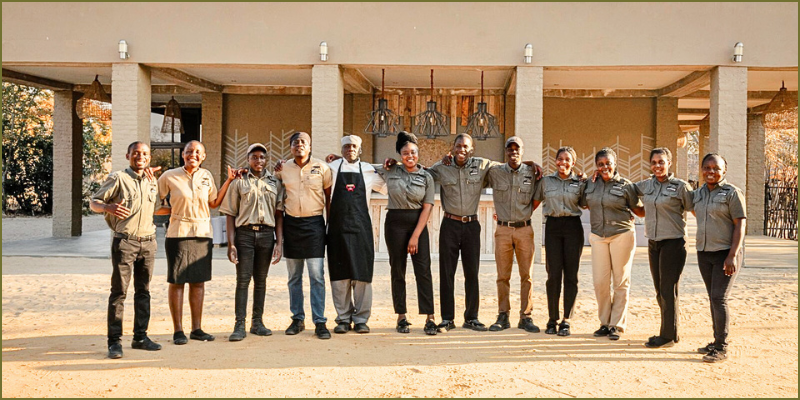
Most people don’t mind tipping, but it gets awkward sometimes for travellers when they visit places they have never visited before. How do you know what the tipping culture is? And how much do you even tip? Should you tip at all? All these thoughts can be unsettling, especially when you are not sure what is expected. They come up because there are places where people actually take offence to being tipped.
In Zimbabwe, tipping is not required, but it is widely appreciated and is part of how service staff and guides are recognised for their work. It’s a way to show appreciation for people who have helped make the trip smoother, more enjoyable or more memorable. Across the country, from restaurants and hotels to safari lodges and activities, you will often see a tip box or envelope system at public places like lodges, camps and certain reception areas. These are there for guests who want to contribute a little extra for good service.
At Gwango, tipping is encouraged but never compulsory. You’ll see staff gratuity boxes at various public places, such as the bar, front office and dining areas. Contributions from the tip boxes are shared among the wider team, including housekeeping, kitchen staff, waiters, maintenance and other behind the scenes team members that keep Gwango running. It is one way to recognise the people you may not always see, but who play a part in your stay.
Safari guides are generally tipped separately from the staff pool and this is how it works at Gwango as well. Guides spend long hours with guests, sharing their knowledge, ensuring safety and making each game drive or walk worth remembering. A thoughtful tip is a simple way to acknowledge their effort, and envelopes or direct handovers are common ways to give it.
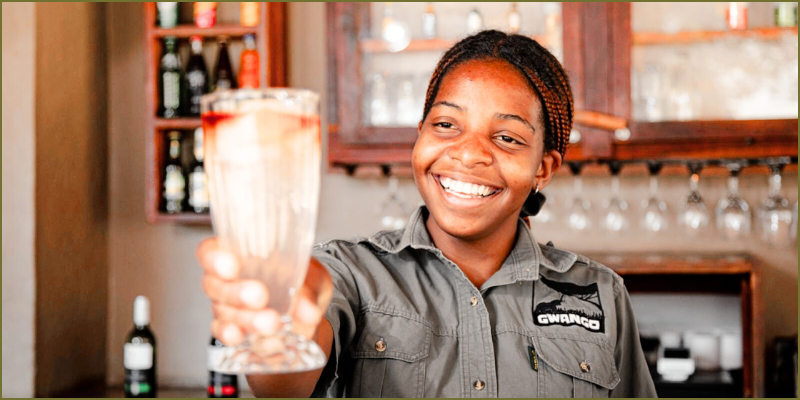
At most safari lodges and camps in Zimbabwe, tipping is typically done at the end of your stay. Typically, tips are paid in cash and USD dollars is normally the standard currency. However other currencies will also be happily accepted. Any tip that you decide on giving for the back-of-house team, including waiters, barman, and housekeepers can be placed in the tip box at any time during your stay (at Gwango we ask that you please not tip our back of house staff individually, except for guides).
The amount you tip will always depend on your own opinion and satisfaction with the service provided. However, we would recommend:
- US$5 per guest per day for a group guide
- US$10 per guest per day for a private guide
- US$5 per guest per day for general staff
At places like restaurants and cafés, a tip of around 10-15%, if service hasn’t already been included in the bill, is considered polite and appreciated. Many local eateries and service spots will also have a “tip jar” or a small box at the counter.
Tipping remains optional. If you choose not to tip, it’s understood. No one expects it as a requirement. But for many people working in tourism and hospitality, tips are an important supplement to regular wages and generous tipping can make a huge difference.
In many lodges and public places you will visit, there will be guidance on tipping norms and they may sometimes be printed in your welcome notes or explained at reception. When in doubt, feel free to ask for local guidance or a recommended tipping guideline. Many lodges will gladly share what is appropriate.
In Zimbabwe, tipping is simply a way to recognise everyone who has done their part in making your visit possible. From the person who cleans the rooms and prepares meals, to the guide who shares their expertise out in the bush.