The nocturnal side of Hwange
Jul 30, 2026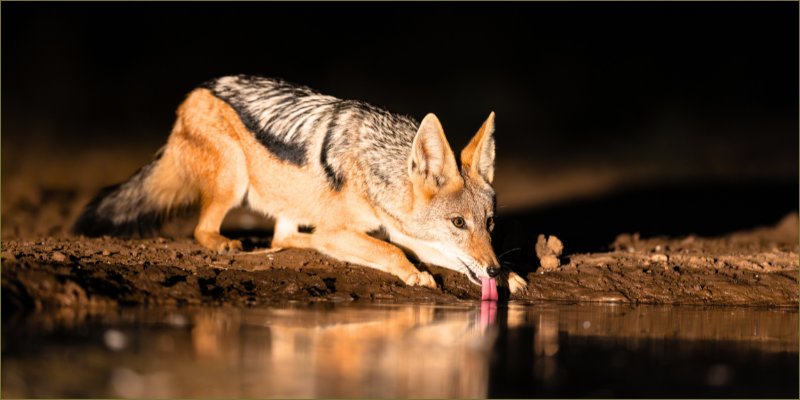
A great safari begins at sunrise. It’s the combination of the cool morning air, the fresh tracks and the anticipation of what might be waiting around the next corner. All part of the classic African safari experience. But did you know there is a whole other side to the African wilderness that awakens once the sun goes down (and if you’re lucky you can still see them at sunrise)? The bush, in many ways, somehow becomes even more active after dark. That is exactly why guided night drives have become such a special part of the Gwango experience, giving guests the chance to witness a side of Hwange that many visitors never get to see.
As darkness settles over the wilderness of Hwange, a completely different group of animals begins to emerge. Many of the species that remain hidden during the heat of the day become active under the cover of night and the sounds of the bush change just as dramatically. The daytime chorus of birds usually gives way to distant lion calls, rustling leaves and the occasional whoop of a hyena somewhere in the darkness. If the resident buffalo herd is nearby, the stillness may be broken by the deep, urgent bellows of buffalo confronting predators in the night.
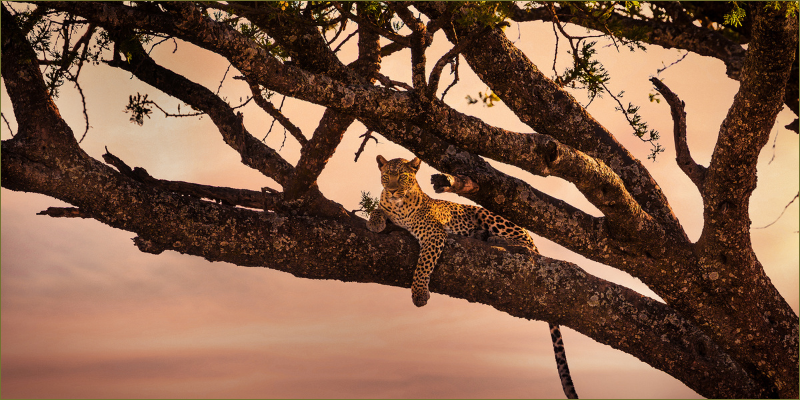
One of the biggest attractions of a night drive is the opportunity to see animals that are rarely encountered during daylight hours. Lions often become more active as temperatures cool and can sometimes be found moving along roads or beginning their evening hunts. Leopards, almost invisible against the night, can sometimes be seen draped across the broad branches of giant teak trees, resting before continuing their nocturnal patrols.
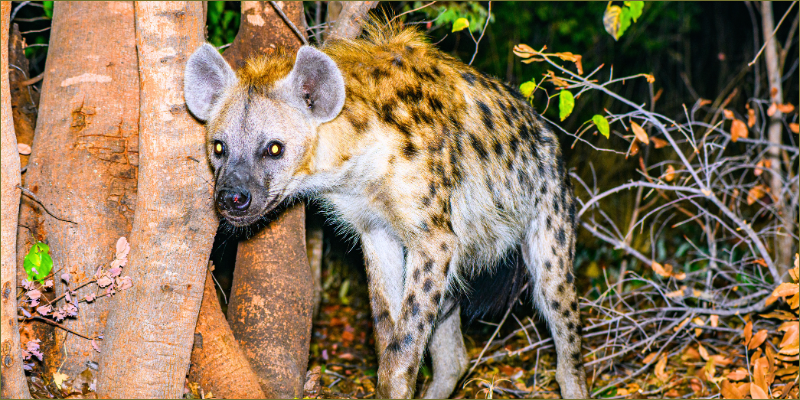
Spotted hyenas leave their dens and begin covering surprisingly large distances as they search for food, while smaller predators like servals and caracals may quietly patrol the long grass in search of rodents and birds. The shier residents of Hwange like the bushbabies and owls also become much easier to appreciate at night. The bushbabies leap between branches with remarkable agility, their large eyes reflecting brightly in the spotlight, while owls swoop into view unexpectedly, silent and swift. Genets and civets move slowly through the trees and along the forest floor, foraging for fruit, insects and small animals. Springhares bound across open clearings almost like tiny kangaroos, while porcupines shuffle through the undergrowth in search of roots and fallen fruit.
Then there are the animals that almost seem mythical because of how seldom they are seen. Aardvarks spend much of the night digging for ants and termites with their powerful claws, while the elusive pangolin, one of Africa's most extraordinary mammals, occasionally makes an appearance. Seeing either of these species is never something that can be promised, but every now and then the bush rewards those who are adventurous enough to explore the Hwange night.
Of course, wildlife is only part of what makes a night drive memorable. There is something very different about experiencing the bush after dark. Every sound is amplified at that time, and even familiar places take on an entirely different character. The guides rely on experience, listening as much as looking, interpreting calls, tracks and movement to understand what may be happening beyond the reach of the spotlight. It becomes less about simply finding animals and more about understanding how the bush functions when most people are asleep.
Even guests who choose to spend the evening relaxing at Gwango rather than heading out on a night drive often experience some of this nocturnal world. From the lodge, it is not unusual to hear lions calling in the distance, hyenas passing through or elephants quietly moving around nearby waterholes. It is truly one of those unique experiences that you can only appreciate when you spend time in the African bush after dark.
If you are planning a visit and would like to include a guided night drive as part of your stay, or simply want to know the best time of year for different wildlife experiences, feel free to email the reservations team at reservations@gwango.com. They will be happy to help you plan your visit.