About Africa’s Small Five
Aug 27, 2026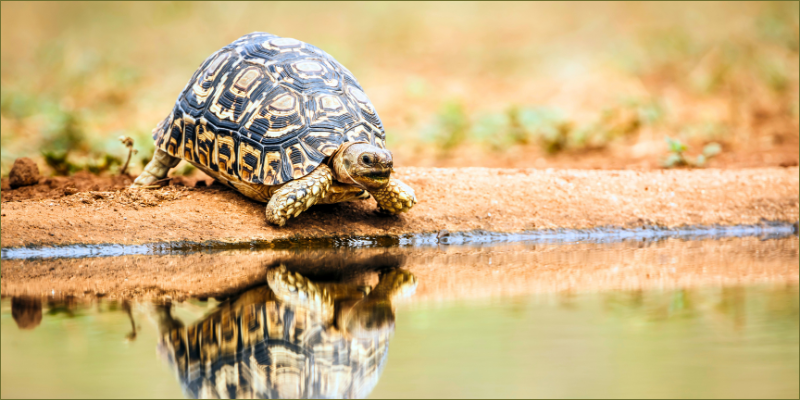
When many of us picture an African safari, the first animals that usually come to mind are elephants, lions, leopards, rhinos and buffalo. They are the animals that draw visitors from around the world and often become the highlight of a game drive. Spend enough time in the bush though, and you quickly realise that some of the most interesting encounters can involve animals that are much smaller.
Africa has its own “Small Five”, a playful name given to five much less imposing creatures that share a connection with their famous Big Five counterparts. The list includes the elephant shrew, buffalo weaver, leopard tortoise, antlion and rhinoceros beetle. They may not have the size or reputation of their larger namesakes, but each has its own fascinating place in the ecosystem.
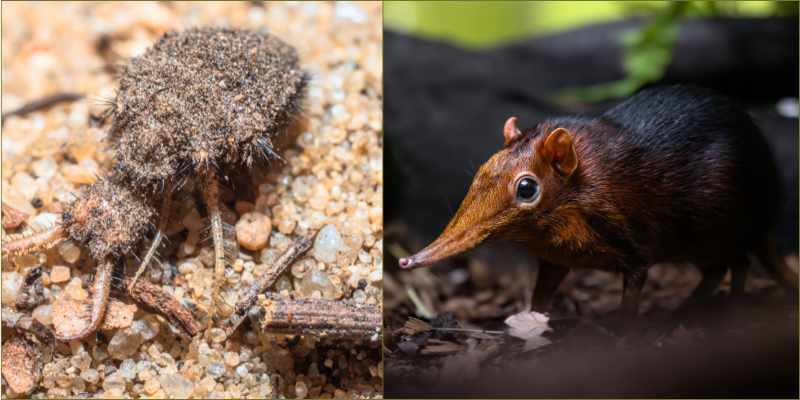
The elephant shrew is probably the easiest connection to understand. Despite its name, it is a tiny insect-eating mammal with a long, flexible nose that resembles a miniature elephant trunk. They are quick and unsurprisingly difficult to spot, usually darting between patches of vegetation in search of insects. They spend much of their time on the ground and can disappear almost as quickly as they appear.
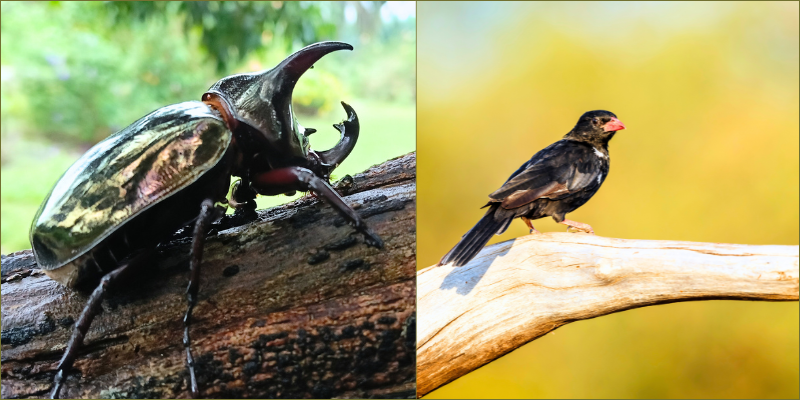
Then there is the buffalo weaver, a bird named for its association with buffalo. Several species of buffalo weaver are found across Africa, and they are often seen moving around in groups, feeding and calling noisily from trees. Their nests can also be quite distinctive, with large untidy structures built among branches.
The leopard tortoise is perhaps the most recognisable of the group. Its beautifully patterned shell gives it its name and provides an excellent example of how wildlife can be both practical and striking. These tortoises are generally slow-moving and spend much of their time grazing on grasses and other vegetation. Finding one crossing a track can turn an ordinary game drive into an unexpected little wildlife lesson.
The antlion is considerably smaller and far easier to overlook. Its name comes from the larval stage of the insect, which creates small funnel-shaped traps in loose sand to catch ants and other insects. Once you know what to look for, these tiny pits become much easier to notice. Before that, they can simply look like little marks in the sand.
Finally, there is the rhinoceros beetle, a powerful little insect named for the horn-like structure found on some males. They may be tiny compared with a rhinoceros, but they are astonishingly strong. They can carry many times their own body weight, making them remarkably powerful for their size. Like many of the smaller creatures around Gwango, they are easy to walk past too unless you stop and take a closer look.
The Small Five are a good reminder that a safari is not only about searching for the largest animals. A game drive can involve watching elephants at a waterhole one moment and stopping to examine a beetle, a tortoise or an unusual bird the next. Guides often know exactly where to look and can point out things that guests otherwise miss.
At Gwango, the bigger animals may get most of the attention, but there is always something smaller happening all around and you just have to slow down enough to notice it. So maybe the next time you are out on safari and someone asks whether you have seen the Big Five, perhaps ask them about the Small Five too. You may be surprised by how much there is to discover at the other end of the scale.
If you are planning a visit to Gwango and would like to learn more about the wildlife you might encounter, our guides are always happy to help you make the most of your safari. Contact the reservations team at reservations@gwango.com to start planning your visit.